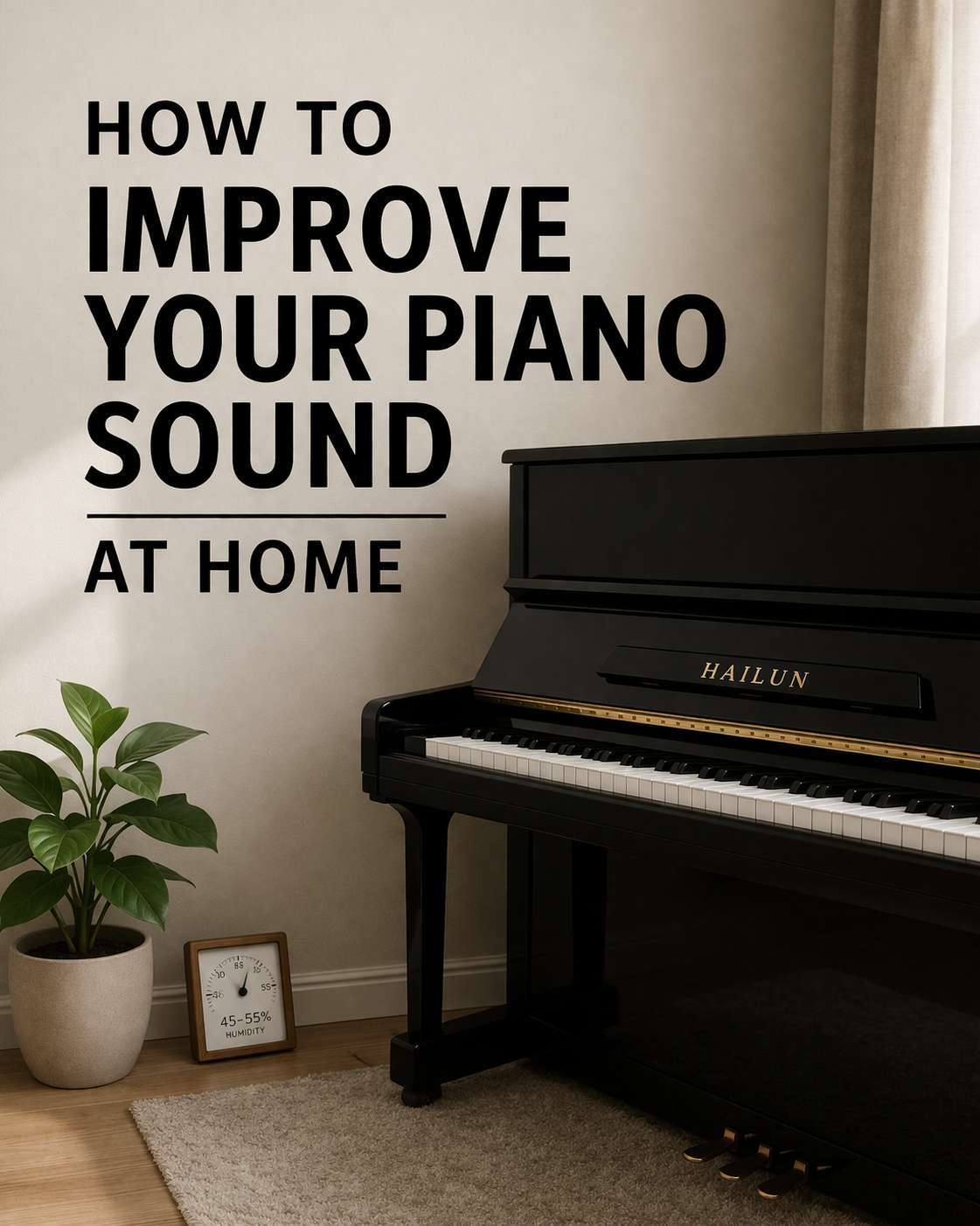
How to Improve Your Piano Sound at Home
If you own a Hailun piano, you already have an instrument known for its warm tone and impressive value. However, many piano owners don’t realize that the environment, setup, and maintenance can dramatically affect how their piano sounds.
Whether you’ve just purchased a piano or have owned one for years, this guide will help you unlock its full tonal potential right at home.
Why Your Hailun Piano Sound May Not Be at Its Best
Even a high-quality piano can sound dull, harsh, or uneven if:
- The room acoustics are poor
- Humidity levels are unstable
- The piano hasn’t been tuned or serviced
- Placement is not ideal
The good news? Most of these issues are easy to fix.
Optimize Hailun Piano Placement
Your piano’s position in the room can significantly impact sound projection.
Best placement tips:
- Place your piano against an interior wall
Bonus tip:
Move the piano slightly away from the wall (about 5–10 cm) to allow sound to resonate better.
Improve Room Acoustics
Your room acts like a “speaker box” for your piano.
To enhance sound quality:
- Add curtains or carpets to reduce echo
- Avoid overly empty rooms (which cause echo)
- Use bookshelves or furniture to diffuse sound
A balanced room setup can make your piano sound richer and more professional.
a room filled with soft furnitures or accessories like curtains, rugs will absorb some sound. causing it to be less harsh
a room filled with hard furnitures such as cabinet, tv, bookshelf will cause the sound to reflect more causing the acoustic to be echoey and harsh
Regular Tuning and Voicing
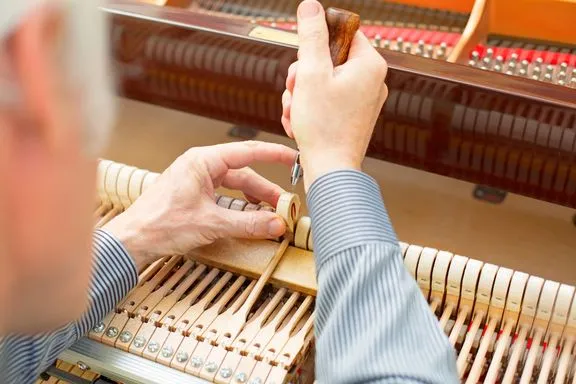
Tuning is essential, but many people overlook voicing, which shapes the piano’s tone.
What to do:
- Tune your piano at least 2 times a year
- Ask a technician about voicing adjustments
- Consider regulation if keys feel uneven
Voicing can make your piano sound:
- Warmer
- Brighter
- More balanced across all keys
Open or Close the Lid Strategically
For upright pianos like many hailun piano models:
- Open top lid → louder, brighter sound
- Close lid → softer, more controlled tone
Adjust depending on your room size and playing preference.
Final Thoughts
Improving the sound of your piano at home doesn’t require expensive upgrades—just smart adjustments. From controlling humidity to optimizing placement and regular maintenance, small changes can make a big difference.
A well-maintained piano can deliver a rich, balanced tone that rivals more expensive instruments. With the right setup, you’ll enjoy a better playing experience every day.