Things to Check Before Buying a Used Piano
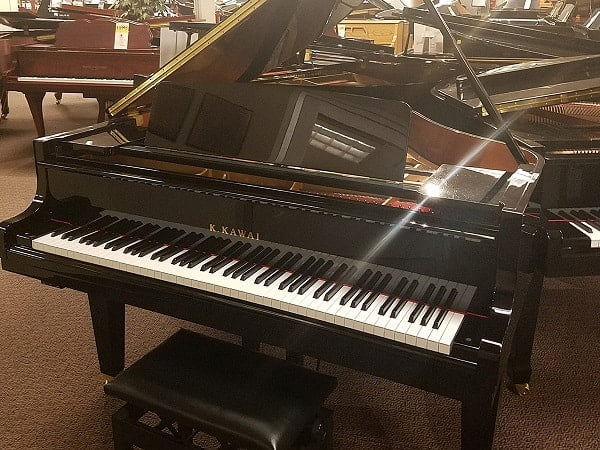
Buying a piano is a significant investment, and for many buyers in Malaysia, choosing a second-hand instrument is a smart way to save money while still getting excellent quality. However, not all used pianos are worth your money. If you’re considering a used kawai piano in Malaysia, it’s important to know what to check before making a purchase. This guide will help you avoid costly mistakes and find the right piano for your needs.
1. Check the Overall Condition
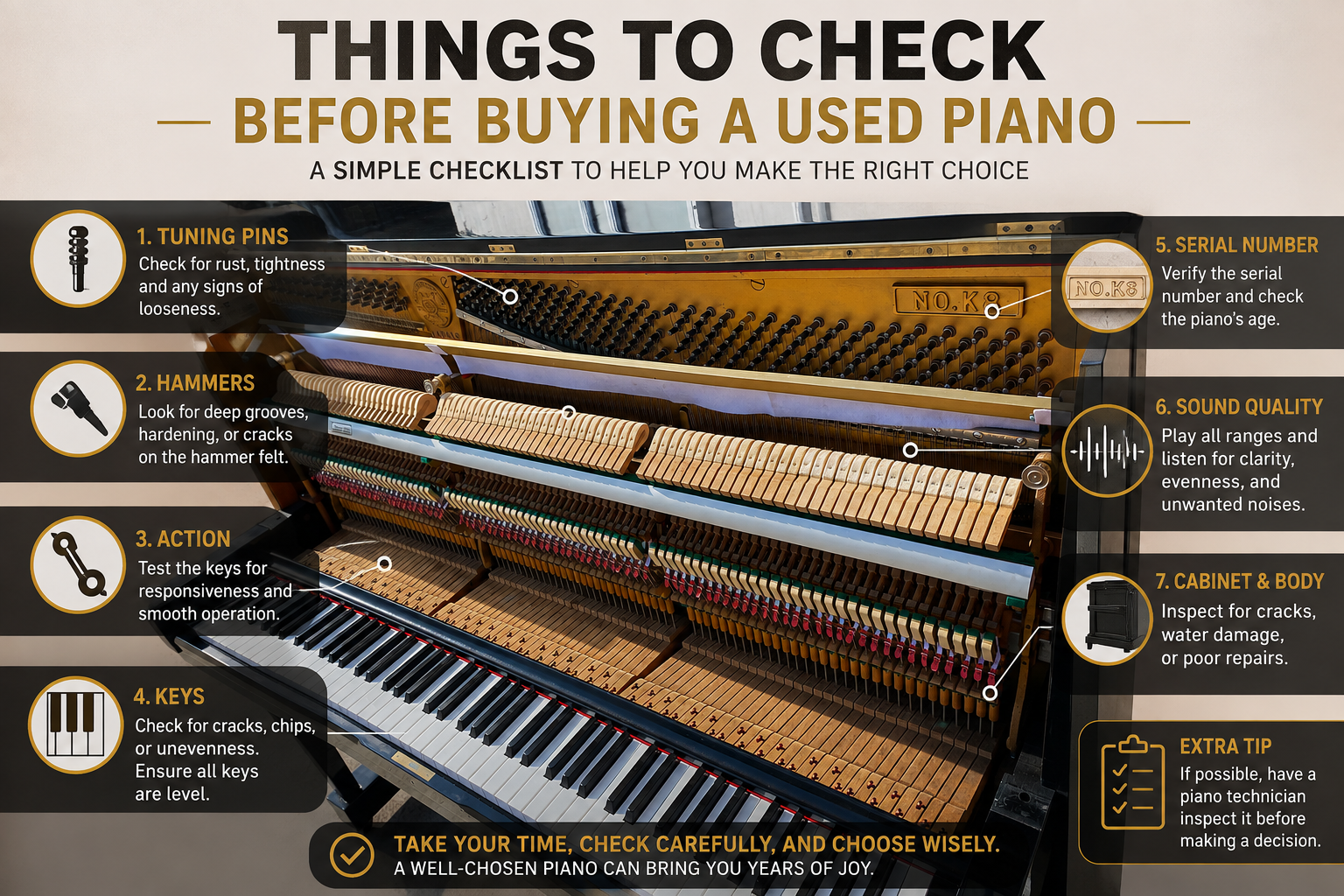
The first thing to look at is the piano’s physical condition. Examine the exterior for scratches, cracks, or signs of water damage. While minor cosmetic flaws are normal in a used piano, major structural issues can indicate poor maintenance.
Open the top lid and inspect the inside. Look for rusted strings, worn hammers, or dust buildup. A well-maintained used kawai piano should still look clean and structurally sound inside.
2. Test the Sound Quality
Sound is the most important factor when buying any piano. Play every key and listen carefully. The tone should be consistent across the keyboard-no dull or overly bright notes.
Kawai pianos are known for their warm and balanced tone, so if the sound feels uneven, it may need tuning or repairs. Don’t forget to test both soft and loud playing to ensure dynamic control is still intact.
3. Inspect the Key Action
The key action refers to how the keys feel when pressed. They should move smoothly and return quickly without sticking. Uneven or sluggish keys can be a sign of worn-out internal parts.
When trying a used kawai piano, pay attention to the key weight. Kawai pianos typically offer a consistent and responsive touch, which is ideal for beginners and advanced players alike.
4. Ask About Used Kawai Piano Maintenance History
A piano’s history tells you a lot about its condition. Ask the seller:
- How often was the piano tuned?
- Has it undergone any repairs or part replacements?
- Was it kept in a humid or air-conditioned environment?
5. Check for Humidity Damage
Humidity is one of the biggest threats to pianos in Malaysia. Excess moisture can cause wood swelling, sticky keys, and tuning instability.
Look for signs like:
- Musty smells
- Sticky or uneven keys
- Cracks in the soundboard
If the piano has been exposed to high humidity without protection, you may face ongoing maintenance issues.
6. Verify the Age of the Piano
Age plays a big role in a piano’s value. Ask for the serial number and check the manufacturing year. While older pianos can still perform well, they may require more maintenance.
A well-kept used kawai piano that is 30–40 years old can still offer excellent performance, especially if it has been regularly serviced.
7. Consider Moving and Setup Costs
Many buyers forget to factor in logistics. Moving a piano requires professional handling to avoid damage. You may also need tuning after relocation.
Before purchasing, confirm:
- Delivery costs
- Staircase or access challenges
- Post-move tuning services
These additional costs can affect your overall budget.
Final Thoughts
Buying a used piano can be a great decision if you know what to look for. By carefully checking the condition, sound quality, and maintenance history, you can avoid common pitfalls and find a reliable instrument.
A used kawai piano in Malaysia is often a popular choice due to its durability and consistent performance. With proper inspection and a bit of patience, you can secure a piano that offers both quality and value for years to come.