Piano Refurbish Explained: What It Is and When You Need It
A piano is a long-term investment that combines mechanical precision, musical artistry, and fine craftsmanship. Over time, even the highest-quality pianos experience wear and aging. While regular tuning and minor repairs help maintain playability, there comes a point when deeper work is needed. This is where piano refurbish becomes essential.
Understanding what refurbish is—and knowing when your piano needs it—can help you extend the life of your instrument, improve its performance, and preserve its value.
What Is Piano Refurbish?
Piano refurbish is a comprehensive process that restores a piano’s mechanical performance, sound quality, and appearance without completely rebuilding the instrument. It sits between basic piano repairs and full piano restoration.
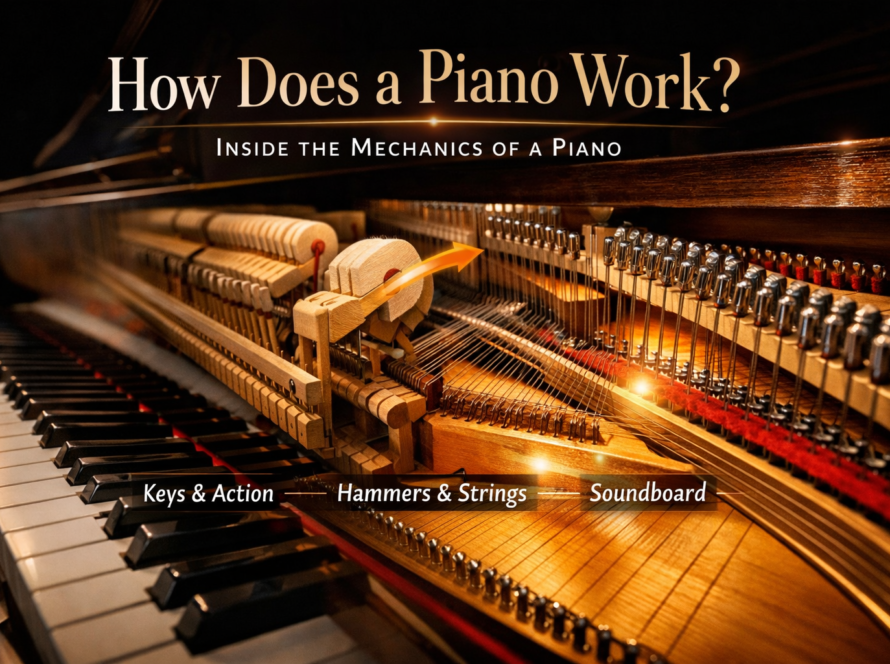
Refurbishment typically focuses on replacing or renewing worn components such as hammers, felts, dampers, action parts, and external finishes. The goal is to improve tone, touch, and reliability while keeping the piano’s original character intact.
Unlike routine maintenance, piano refurbishment addresses accumulated wear caused by years of use, environmental exposure, and aging materials.
What Does Piano Refurbish Include?
Piano Refurbish services can vary depending on the condition of the instrument, but commonly include:
-
Action regulation to improve key responsiveness and evenness
-
Hammer reshaping or replacement to restore clear and balanced tone
-
Damper repair or replacement for clean note release
-
Key bushings and felts replacement to eliminate noise and looseness
-
String inspection and replacement (if necessary)
-
Pedal system servicing to ensure smooth operation
-
Cabinet cleaning or refinishing to refresh the piano’s appearance
-
Pitch correction and fine tuning after mechanical work
These processes work together to enhance the piano’s performance, making it feel and sound closer to its original condition.
When Do You Need Refurbishment?
Not every piano requires refurbishment, but certain signs indicate it may be time to consider this service.
1. The Piano Is used more than 10 years
As a general guideline, pianos that are 10 years old or older may begin to show noticeable wear, especially if they have been used regularly. Felt components compress, hammers harden, and action parts lose precision.
If tuning and minor repairs no longer deliver satisfying results, refurbishment can significantly improve performance.
2. Noticeable Decline in Tone Quality
A dull, uneven, or harsh sound is often a sign of worn hammers and felts. Over time, repeated string contact causes hammers to flatten and harden, reducing tonal clarity.
Piano refurbish can reshape or replace hammers, improving tonal balance, projection, and musical expression.
3. Uneven or Inconsistent Key Touch
If certain keys feel heavier, lighter, or less responsive than others, the piano’s action may be worn or misaligned. This can affect playing technique and cause fatigue, especially for students and professional pianists.
Action regulation and refurbishment restore consistent touch, improving control and comfort.
4. Frequent Mechanical Problems
Recurring issues such as sticking keys, noisy action parts, ineffective dampers, or unstable tuning often indicate widespread wear rather than isolated faults.
Instead of repeated small repairs, piano refurbishment provides a long-term solution by addressing the root causes of these problems.
5. The Piano Has Been Heavily Used
Pianos in music schools, studios, churches, and performance venues experience higher levels of wear. Even with regular maintenance, heavy use accelerates the aging of internal components.
Piano Refurbish helps these instruments continue performing reliably under demanding conditions.
6. After Long-Term Storage or Neglect
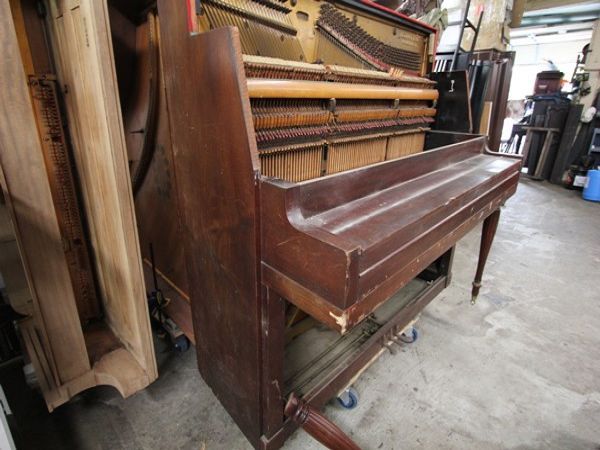
Pianos left unused for many years can suffer from dried felts, corrosion, and environmental damage. In such cases, refurbishment is often necessary to safely return the piano to playable condition.
Piano Refurbish vs Piano Overhaul/Rebuild
It is important to understand the difference between piano repair and refurbishment.
-
Piano Refurbishment involves comprehensive servicing of multiple systems to restore overall performance.
- Piano Overhaul/Rebuild is a higher level of repairing than piano refurbishment. Piano overhaul or rebuild will require the technicians to replace ALL strings and hammers and even action mechanism. For more details, we will explain in depth in here.
If problems are widespread rather than isolated, refurbishment is often more cost-effective in the long run.
Is Refurbishment Worth It?
For many pianos, especially high-quality or sentimental instruments, refurbishment is a worthwhile investment. It improves sound, touch, reliability, and appearance at a fraction of the cost of purchasing a new piano.
A professional piano technician can assess whether refurbishment is suitable based on the piano’s age, brand, condition, and intended use.